Services built for real app maintenance
Keeping your mobile application stable, current, and functional takes more than occasional patches. Microservix structures support around your actual workflow — with clear processes, group collaboration, and specialists who know the platform edge cases that matter.
Mobile App Bug Fixing and Emergency Support
Fast, reliable bug fixing for iOS and Android apps. We diagnose crashes, resolve critical errors, and restore normal app functionality — usually within 24 to 48 hours.

Monthly Mobile App Maintenance Plan
Ongoing technical maintenance for live iOS and Android apps. Covers OS compatibility updates, dependency management, performance monitoring, and minor feature adjustments each month.

App Store Update Submission and Review Management
We handle the full process of preparing, submitting, and tracking your app updates through the Apple App Store and Google Play — including responding to review rejections.
iOS and Android OS Compatibility Update Service
We update your existing mobile app to work correctly on the latest iOS and Android versions — fixing deprecated APIs, permission changes, and UI regressions introduced by OS upgrades.
Mobile App Performance Optimization
We analyze and improve the speed, memory usage, and battery efficiency of your iOS or Android app — targeting the specific bottlenecks that affect real users on real devices.
What the support process actually looks like
Each service engagement follows a structured sequence — from initial audit through ongoing monitoring. Knowing where you are in the process removes the uncertainty that usually slows teams down.
Review current app version, OS compatibility gaps, and any outstanding crash reports before defining the work scope.
Participants join a shared workspace. Facilitators assign roles, set communication channels, and confirm tooling access for all members.
Updates are released in short cycles — typically one to two weeks — with group review at each checkpoint before the next phase begins.
Post-release tracking covers crash rates, API response stability, and store rating changes with weekly summaries shared across the group.
Participants on working in groups
Group-based support changes how people handle app maintenance. Shared context means fewer repeated questions, faster decisions, and better outcomes when something unexpected surfaces mid-update.
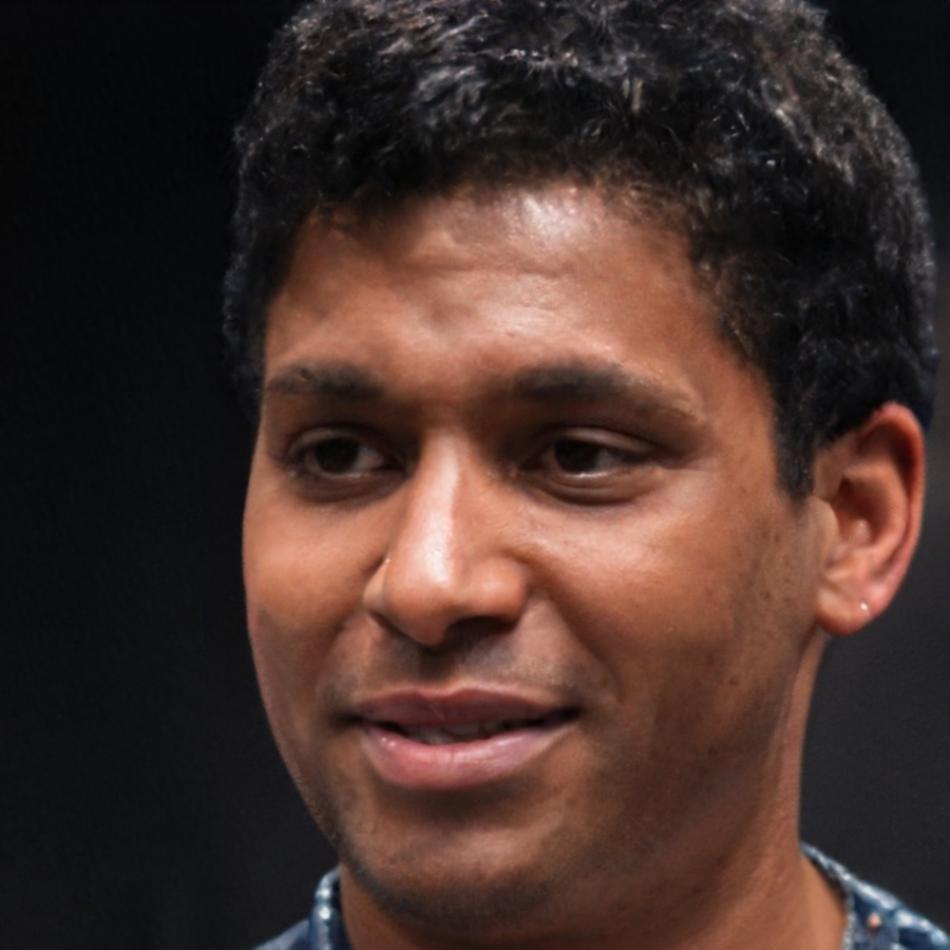
Taras Bondarenko
Android developer, Kharkiv
Working through the update cycle with a facilitated group meant I stopped second-guessing release timing. Having others flag the same issue from different angles made the root cause obvious within a session.

Dmytro Savchuk
Product owner, Lviv
The structured process removed a lot of back-and-forth. Knowing exactly which step we were on — and what was expected from each participant — kept the group focused even during complex dependency updates.

Oleksiy Petrenko
iOS engineer, Dnipro
The monitoring summaries after each release cycle gave me concrete numbers to share with stakeholders — no interpretation needed. That alone saved several meetings per month.

Does the group format work for solo developers or only for teams?
Solo developers participate regularly and often find the group dynamic more useful than team settings — the external perspective from peers working on different apps surfaces blind spots that internal review tends to miss. Sessions are structured so individual contributors and full teams follow the same process, with facilitators adjusting the pace based on group composition. The only requirement is consistent attendance across the update cycle, regardless of team size.
Numbers from active support groups
Since 2015, Microservix has run structured app support groups across Ukraine. The figures below reflect averages across completed cycles — not projections.
Get in touchRemote access, consistent process
Geography has not been a barrier since the service moved fully online. Participants from Odesa, Zaporizhzhia, Chernivtsi, and other cities join the same session with identical access to materials, facilitators, and shared tooling. The process does not change based on where you connect from.
Each session uses a shared document environment so decisions, blockers, and agreed actions are visible to everyone in real time — not reconstructed from memory afterward. That single change reduces miscommunication noticeably across multi-person groups.
Sessions run on a fixed weekly schedule. Participants receive preparation materials 48 hours in advance so group time stays focused on decisions rather than orientation.