Microservix — structured app support, delivered together
A team built around the idea that keeping mobile software healthy is a collective discipline — not a solo sprint.
Where the idea started
Mobile apps break quietly. Updates ship, something shifts, and users are left piecing together what changed on their own.
Microservix grew from watching that pattern repeat across dozens of organisations. Support requests piled up not because users lacked skill, but because there was no structured space to work through changes together. A one-on-one ticket system answers individual questions — it does not build the shared understanding that stops the same questions from coming back. Group sessions change that dynamic. When eight or twelve people work through an update together, they surface edge cases no single user would find, they correct each other's assumptions in real time, and the knowledge sticks because it was earned through dialogue rather than handed down through a help article.
Nationwide reach, local relevance
Geography has never been a reason to receive a slower or thinner service. Since the beginning, the work has been designed for online delivery — not as a compromise but as the primary format. Participants from Lviv and Kharkiv, from Zaporizhzhia and Chernivtsi, join the same session and bring different contexts to the same problem. That variety is genuinely useful. A workflow that seems obvious to someone in a large city often reveals a friction point for someone working in a smaller office with different infrastructure. Surfacing those differences in a shared session produces better outcomes than any single-location team could reach on its own.
What the work actually looks like
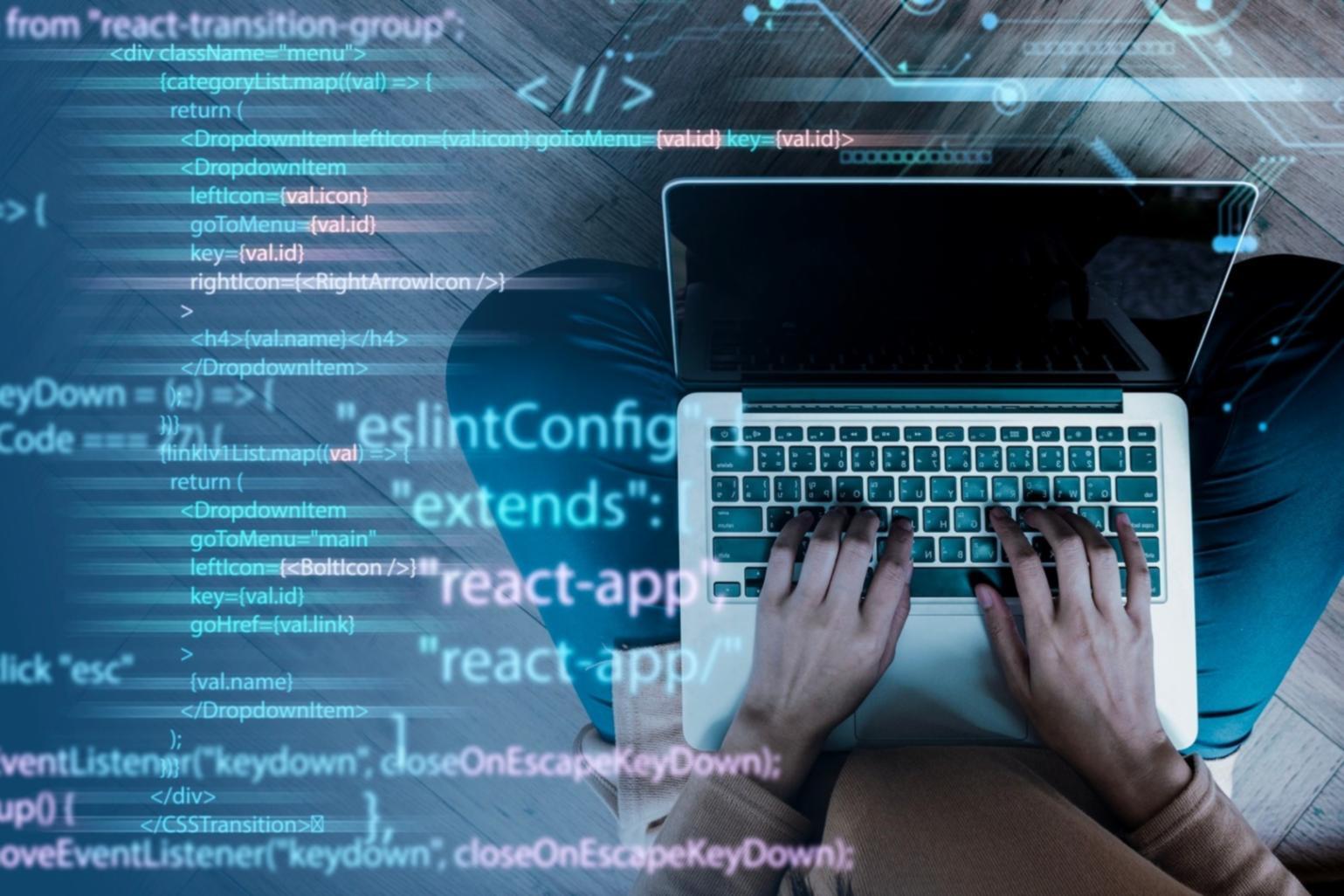
Each engagement begins with a brief diagnostic — understanding which version participants are on, what workflows they rely on, and what the upcoming update actually changes for them specifically. Sessions run between 60 and 90 minutes and follow a structured agenda: changelog review, live walkthrough of changed interfaces, open Q&A anchored to real use cases, and a short written summary distributed afterwards. The facilitator does not read from a script. They adapt based on what the group surfaces, which means sessions covering the same update often look quite different depending on who is in the room. That adaptability is deliberate — it is where the actual value sits.
The people behind the sessions
Small teams run tighter. Everyone at Microservix works directly with participants — there is no layer of account managers between the facilitator and the group.
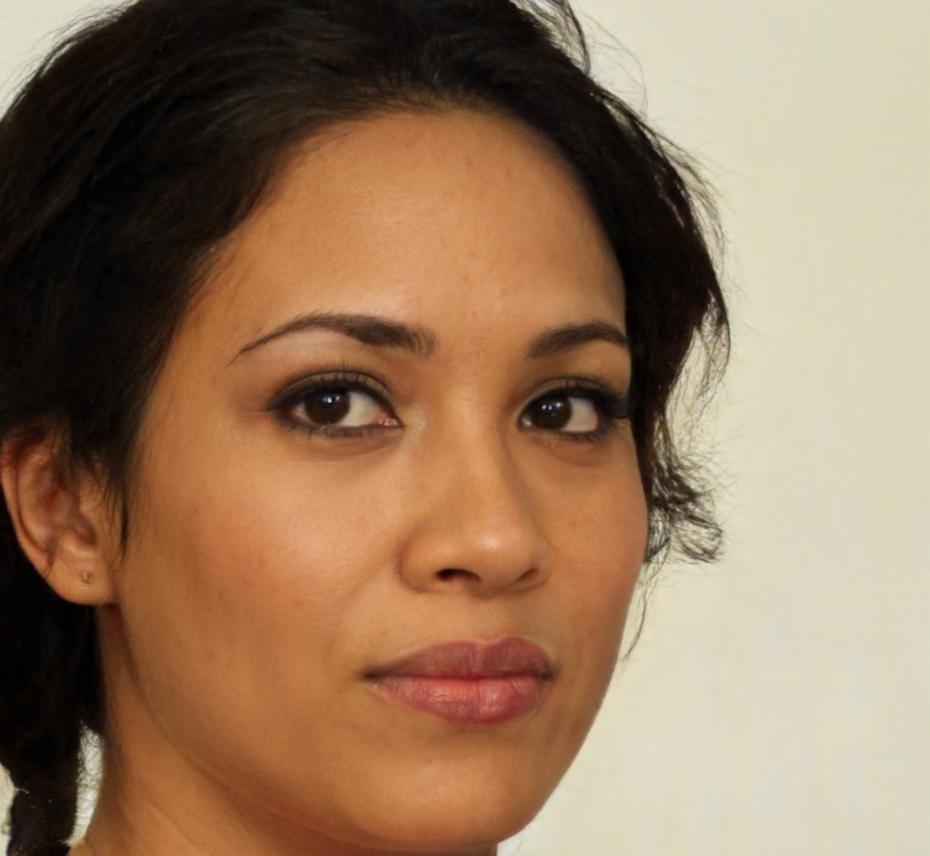
Daryna Velychko
Lead Facilitator
Runs the majority of update walkthroughs and developed the session structure used across all group formats. Has a background in UX research, which shapes how she reads a group's confusion before it becomes a question.
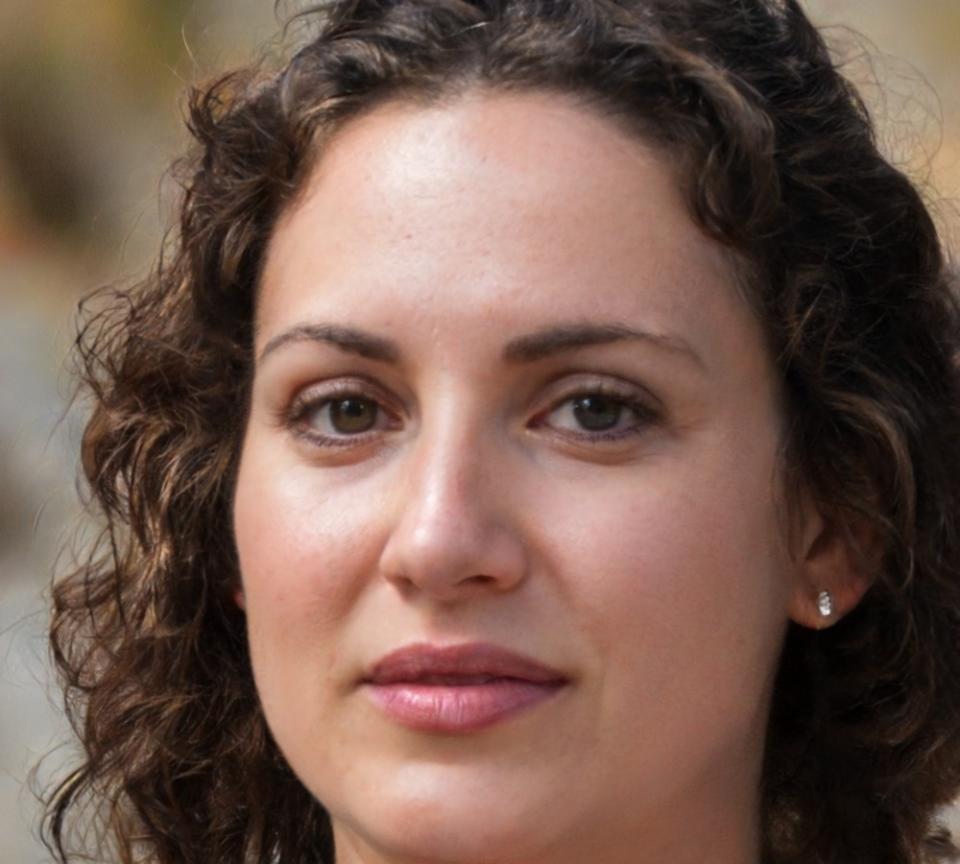
Oksana Petrenko
Technical Coordinator
Manages the changelog analysis before each session cycle and maintains the internal knowledge base. Keeps the technical details accurate without letting them overwhelm the practical conversation.
Bohdan Kravchuk
Participant Relations
Handles group scheduling, pre-session onboarding, and follow-up distribution. Ensures that the logistics never become the reason a session underperforms.
Specificity over generality
Sessions are built around the exact version participants are running, not a generic overview. Preparation takes longer — the sessions are shorter and more useful as a result.
Group dynamics as a tool
Collective sessions surface problems that individual support tickets never reach. The mix of experience levels in a group is a feature, not a complication to manage around.
Honest about what sessions can do
A 90-minute session will not replace months of hands-on experience. What it can do is close specific knowledge gaps and give participants a clearer map of what they still need to learn.
Access without geography
The online format was chosen before it became common. Participants in any Ukrainian region receive the same session quality — same facilitator, same materials, same follow-up.